How to Choose Aluminium Sliding Doors
The Rewards of Adding Energy-Conserving Sliding Doors in Your Home
Energy-efficient sliding doors present a workable answer for homeowners wanting to upgrade their living spaces. These doors not only boost insulation but also enable for an profusion of natural light, which can reshape the ambiance of any room. Their modern design can raise a home's aesthetic appeal and market value. However, the benefits go beyond aesthetics and comfort, leading to a closer inspection of their overall impact on home efficiency. What points should homeowners consider?

How Sliding Doors Handle Heating and Cooling Efficiency Issues?
Sliding doors, while visually stunning, represent a significant role in maximizing energy efficiency within homes and commercial spaces. Their design allows for copious natural light, reducing the need for artificial lighting during the day. This natural illumination not only enriches interiors but also promotes lower energy consumption.
In addition, modern glass doors are often provided with innovative sealing and high-quality glass work, which minimize air leakage. This curtails drafts and promotes maintaining a consistent interior climate, ultimately reducing energy expenditures.
Additionally, the large glass panels can be formulated to reflect heat during the summer and preserve warmth in the winter, further contributing to energy efficiency. By integrating sliding doors into their architecture, homeowners and businesses can achieve a balance between visual appeal and sustainability, creating a more efficient energy footprint while elevating the overall ambiance of their spaces.
The Method Sliding Doors Optimize Your Home's Insulation
While many property owners focus on aesthetics, the insulation benefits of gliding doors are equally significant. High-performance sliding doors are designed to minimize heat transfer, successfully maintaining homes heated during cold months and chilled during warm months. They often include multi-chamber frames and insulated glass, which combine to decrease energy waste.
Moreover, these doors typically arrive with weather stripping that prevents drafts, further strengthening thermal efficiency. By forming a tighter seal, sliding doors enable maintaining a consistent indoor temperature, reducing the reliance on heating and cooling systems. This not just generates boosted comfort but also contributes to economical energy bills.
Also, reinforced insulation can help reduce noise pollution from outside, generating a quieter residential environment. Generally speaking, the thermal properties of energy-efficient sliding doors offer real-world advantages that optimize the home's energy savings while providing a agreeable home environment.
Why Natural Light Plays a Key Role in Your Home?
Natural light is essential in enhancing the ambiance and functionality of a home. It establishes a welcoming environment, making spaces feel larger and more open. The amount of sunlight can also positively influence mood and well-being, resulting in a more uplifting space. Research suggests that exposure to natural light can boost work performance and attention, making it particularly beneficial in workspaces within the home.
Additionally, natural light can decrease energy consumption by lessening the need for man-made illumination during the day. This not only reduces electricity bills but also lessens the overall environmental impact. Moreover, homes bathed in natural light often appear more visually appealing, showcasing interior design elements more effectively. By incorporating energy-efficient sliding doors, homeowners can maximize the flow of natural light while maintaining energy efficiency, ultimately enhancing both comfort and visual appeal in their living spaces.
Increasing Aesthetic Appeal By Installing Sliding Doors
Installing energy-efficient sliding doors can markedly enhance a home's exterior charm, as they combine usefulness with up-to-date design. These doors serve as a standout feature, seizing interest and inviting passersby to admire the home's design aesthetic. Available in multiple styles and finishes, energy-efficient sliding doors can suit different architectural features, from contemporary to traditional.
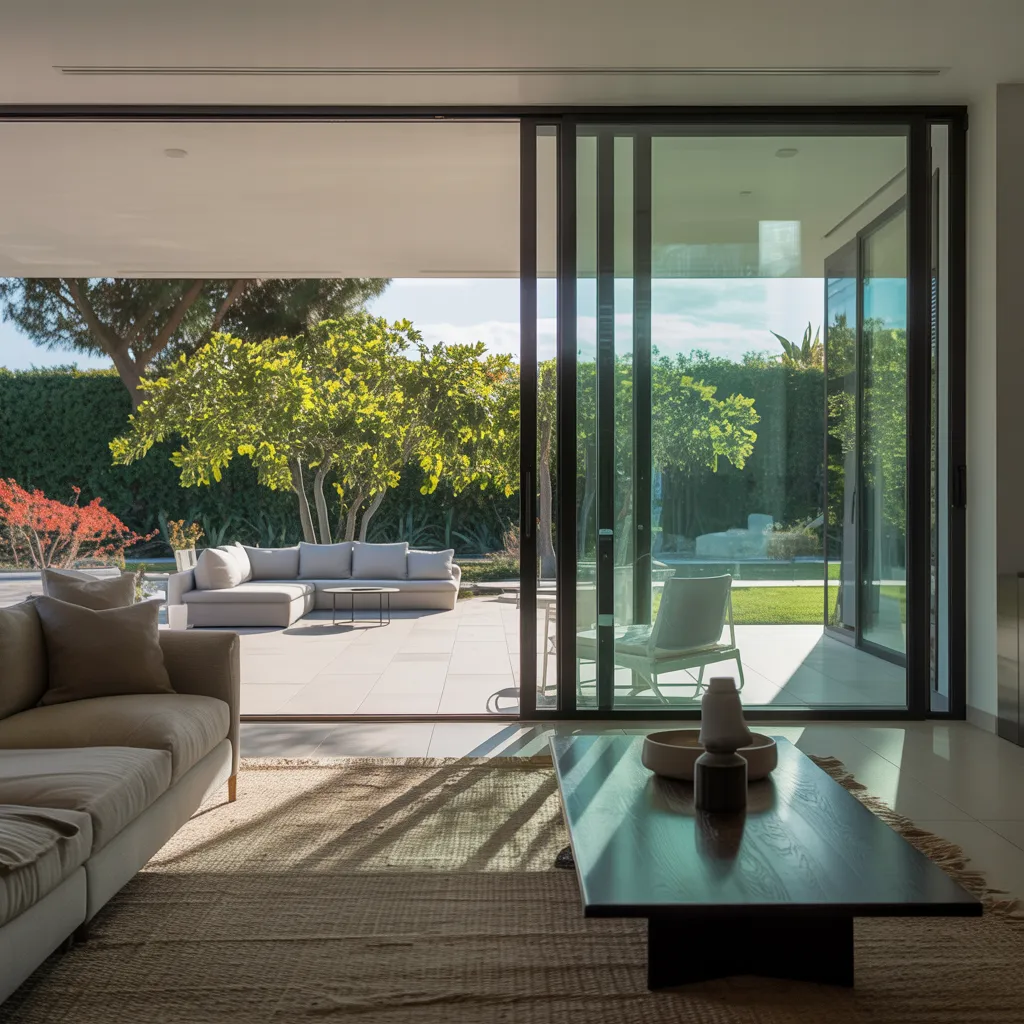
The broad glass panels allow natural light to saturate interior spaces, creating an warm atmosphere that prolongs the living area outdoors. This uninterrupted transition enhances the home's overall character, rendering it feel larger and more open. Furthermore, homeowners can select options that reflect their personal style, solidifying their unique identity.
Moreover, the polished contours and uncluttered design of sliding doors deliver a modern aesthetic, making the property more attractive to potential buyers. By investing in energy-efficient sliding doors, homeowners not only refine visual presentation but also enhance the property's resale value and market competitiveness.
Determining Materials for Efficient Sliding Doors
Picking the suitable selections for energy-conscious sliding doors is important to improving their performance and visual allure. Typical selections feature vinyl, fiberglass, and wood, each delivering different perks. Vinyl is celebrated for its outstanding thermal qualities and low care demands, making it a favored pick. Fiberglass offers robustness and immunity to warping, while also providing solid energy efficiency. Wood, though visually attractive, often requires greater maintenance and may demand supplemental thermal support to achieve energy standards.
The selection of glazing also plays a crucial role. Multi-pane glass with low-emissivity coatings can greatly minimize heat transfer, enhancing energy performance. Furthermore, selecting window frames with thermal barriers can further improve insulation. In the end, a thorough assessment of material options, paired with energy-efficient features, ensures that find this resource sliding doors not only improve the residence's appearance but also lead to reduced energy expenses and greater comfort.
Guide to Installing Energy-Efficient Sliding Doors
Installing energy-efficient sliding doors requires careful planning and execution to guarantee optimal performance and longevity. First, the existing door frame must be measured accurately to ascertain a proper fit. The removal of the old door should be done cautiously, avoiding damage to the surrounding structure. Once the area is prepared, the new sliding door can be positioned into the frame. Confirming that the door is even and plumb is essential; shims may be necessary for adjustments. After securing the door, proper insulation around the frame is fundamental to prevent air leaks. The installation should include weather stripping to enhance energy efficiency. Finally, the door's operation should be tested to verify seamless sliding and secure locking mechanisms. This methodical approach not only enhances energy efficiency but also contributes to the aesthetic appeal and functionality of the home.
Optimal Standards for Maintaining Sliding Doors
Proper fitting of power-saving sliding doors lays the foundation for their lifespan, but ongoing attention is correspondingly significant to confirm prime capability. Periodic sanitizing is mandatory; tracks should be cleared of dirt and debris to prevent obstruction and warrant smooth activity. Homeowners should inspect the weatherstripping periodically for any damage or weakening, replacing it as called for to sustain energy efficiency.
Applying a silicone-based spray to the cylinders and rails can boost functionality and reduce wear. It is also recommended to check the alignment of the doors; incorrect alignment can lead to gaps, which undermines energy efficiency. Additionally, inspecting the glass for fractures or breaks will help prevent further damage and energy loss. Adhering to these best practices enables homeowners to extend the lifespan of sliding doors while increasing their energy-saving benefits. Routine maintenance enhances aesthetics and also contributes to overall home comfort.
Commonly Posed Questions
What Do Typical Energy-Saving Sliding Doors Cost?
Usual prices for eco-friendly sliding doors span $800 to $3,000, influenced by materials, size, and installation. Homeowners must think about extended savings on energy bills when considering their investment in these doors.
How Do Sliding Doors Stack Up to Traditional Doors in Energy Efficiency?
Sliding doors generally offer superior energy efficiency compared to traditional doors, mainly due to their sophisticated insulation and sealing technologies. This design reduces air leaks, enhancing thermal performance and reducing heating and cooling costs in homes.
Is Upgrading Existing Doors Viable for Improved Energy Efficiency?
Upgrading current doors for better energy efficiency is feasible through weatherstripping, adding insulation, or installing energy-efficient glass. These enhancements can enhance insulation and reduce energy loss, making aging doors highly efficient without total replacement.
Can Energy-Efficient Sliding Doors Qualify for Tax Credits or Rebates?
Energy-efficient sliding doors might be eligible for tax credits or rebates, depending on local and federal programs. Homeowners should check specific eligibility requirements and speak to tax professionals to maximize potential financial benefits.
What Coverage Choices Exist for Energy-Efficient Sliding Doors?
Different guarantees for energy-saving sliding door systems consist of manufacturer guarantees, which typically protect against defects for 10-20 years, and limited lifetime warranties that may cover specific components. Property owners should review terms to ensure sufficient protection against possible problems.